In this guide
Charlotte’s faith communities offer worship, learning, service and places to belong. The communities below describe their own traditions and welcome arrangements; their websites are the place to check the particular service, event or visit you have in mind.
Looking for somewhere to pray between commitments or during an airport connection? Start with Where to pray in Charlotte. For a wider set of communities, MeckMIN’s Faith Partners and Affiliates is another useful starting point. It is a membership list, not a census of local religion.
Before you visit
First decide what kind of visit you want: joining worship, attending a public event, arranging a tour, or looking at a building’s architecture. An invitation to one does not automatically cover the others.
- Check the date and venue on the community’s own schedule. Office hours are not a promise that the worship space is open, and a festival may have different admission arrangements from a regular service.
- Read its visitor guidance. Where none is published, ask about arrival, clothing, head coverings, shoes, photography and participation rather than assuming one community’s practice applies to another.
- If you need step-free entry, an accessible restroom, seating rather than floor seating, hearing support, a quiet space or language help, ask about that specific need before travelling. A parking symbol alone does not describe the whole visit.
- Check any registration or ticket requirement for the particular event. Membership, donations, classes, meals and private ceremonies are separate from the question of whether a visitor may attend worship.
Christian
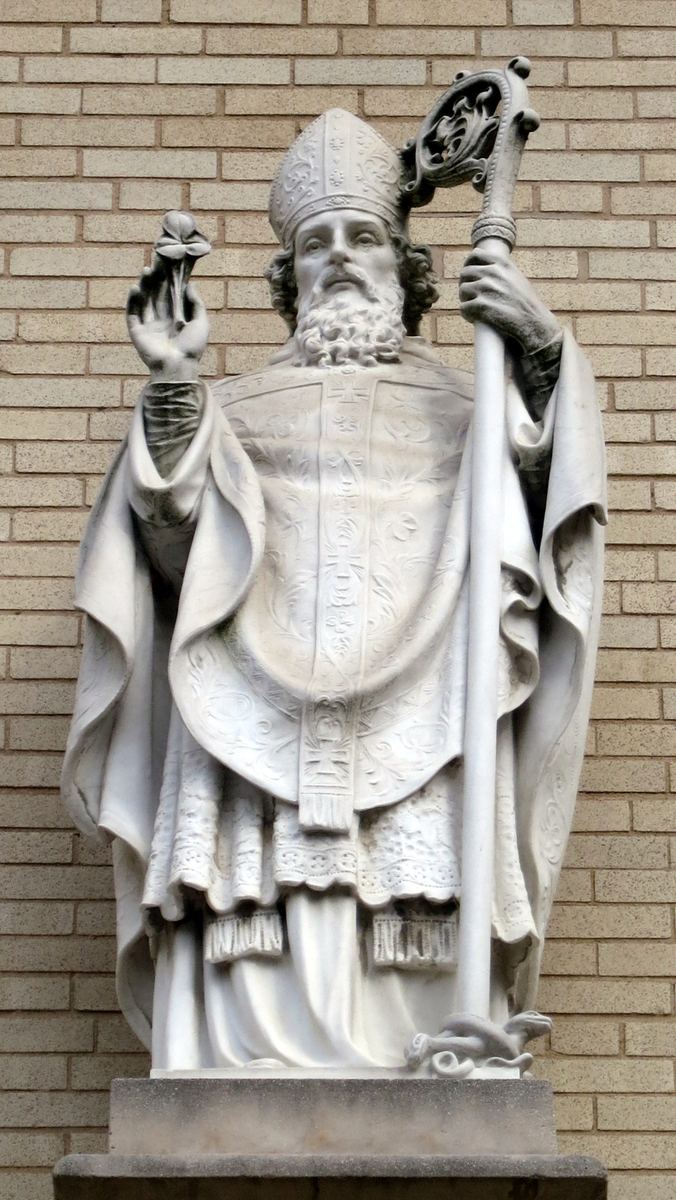
Cathedral of Saint Patrick
1621 Dilworth Road East, Dilworth. The Roman Catholic cathedral’s parish history records the church’s consecration in 1939 and its designation as the cathedral in 1972. Its current Mass and confession page is the practical starting point; check the homepage’s notices as well for changes and adoration information. For a first visit, an architectural enquiry or a question about participation, use the cathedral office.

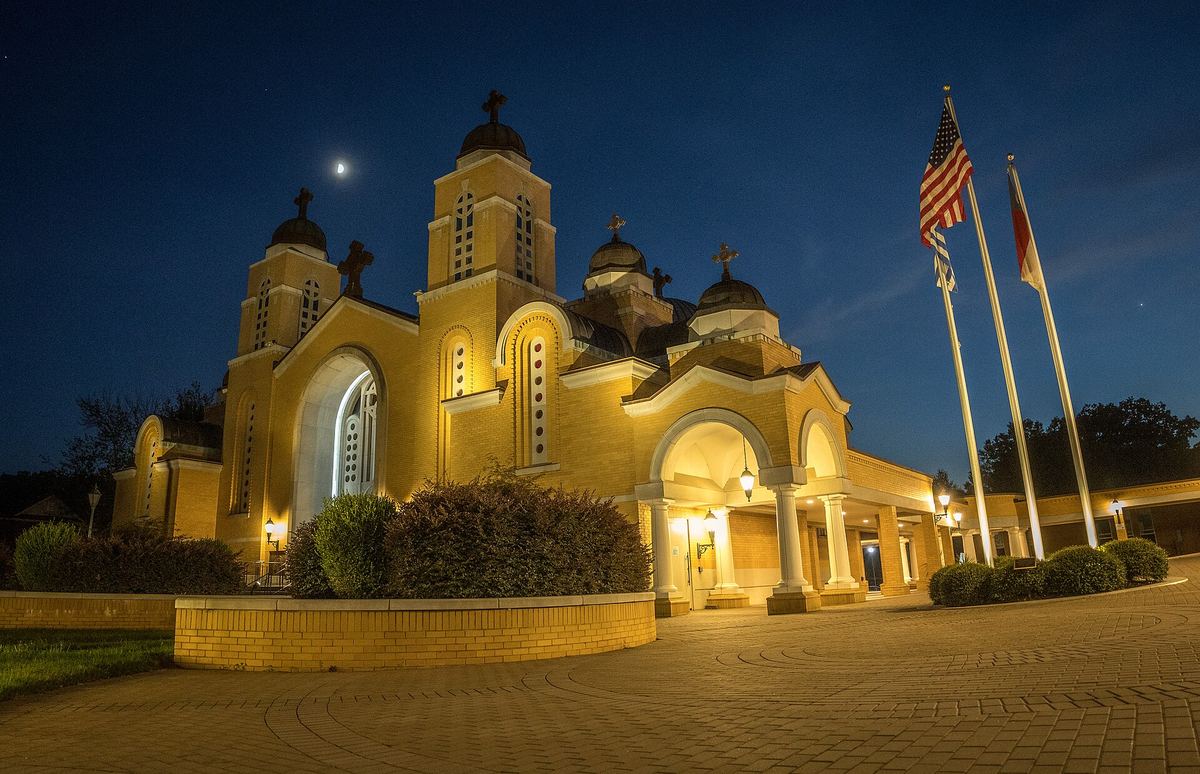
Holy Trinity Greek Orthodox Cathedral
600 East Boulevard, Dilworth. The parish’s history dates its establishment to 1923, when the community used rented spaces and St. Peter’s Episcopal Church. Its first owned church was the former Westminster Presbyterian building on South Boulevard; the present cathedral was built in 1954 and the Hellenic Center completed in 1967. The parish’s published ministries include schools, Philoptochos and outreach. Use its calendar for the service or event you want, and its contact page for a visit or access question. Published office hours should not be read as unrestricted sightseeing hours.

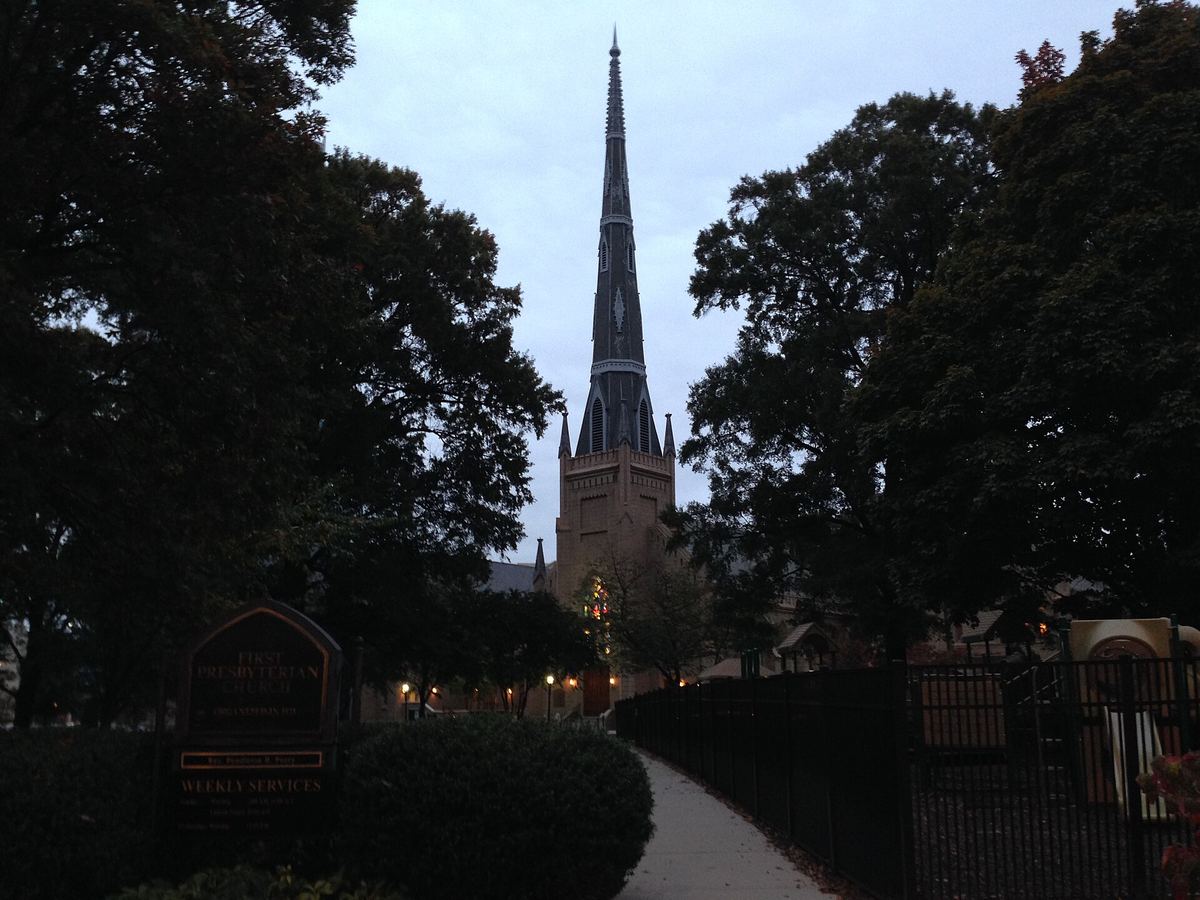
First Presbyterian Church of Charlotte
200 West Trade Street, Uptown. Plan Your Visit explains the church’s contemplative and traditional worship, including the contemplative service’s summer break. It also covers clothing, children’s arrangements and arrival. For parking, follow the Poplar Street entrance instructions and have your ticket validated as its FAQ directs; accessible parking is described on the sanctuary driveway reached from Church Street. The page links a campus map. The church also has preschools, a counselling centre and outreach programs; use each program’s own page for eligibility or appointments.

Friendship Missionary Baptist Church
3400 Beatties Ford Road. The congregation’s own history follows its early meetings in homes, South Caldwell Street and East First/South Brevard Streets, then its move to 3301 Beatties Ford Road in 1970 and the present campus in 2006. The former campus houses its child-development and day-school programs. Use the church’s current homepage for worship information and Find Us for the address and operational details. That page also discloses that programs and services may be recorded or broadcast; ask the church about your options if being visible is a concern.
Little Rock A.M.E. Zion Church
401 North McDowell Street. The African Methodist Episcopal Zion congregation’s Plan A Visit page gives its worship schedule, typical service length, clothing guidance and information for families. Parking is reached from the Seventh Street or McDowell Street entrance, with a parking team directing visitors. It also provides a livestream route and explains how to arrange a conversation with a pastor. Check that page and current announcements for the occasion you plan to attend.
First Baptist Church–West
1801 Oaklawn Avenue. The church traces its origins to 1867, when formerly enslaved members sought to organize their own congregation; its account places formal organization the following year. It describes itself as Charlotte’s first Black Baptist church. Its current sanctuary was dedicated in 1977. The church-hosted account of its preservation identifies Harvey Gantt’s modernist design and its significance. For present-day worship and contact details, use the official church homepage.
Islamic
Islamic Center of Charlotte
ICC dates its community to 1988. Today its website distinguishes two centers: Masjid Al Towbah at 1700 Progress Lane and Al Noor Center at 8310 Harrisburg Road. Choose the campus before checking the current prayer timetable; Friday congregational arrangements differ between them. Its history page describes the Progress Lane building’s earlier use as a church and ICC’s development as a spiritual, educational and community center. Use the current campus pages for the right contact route.
Masjid Ash-Shaheed
The masjid’s own site describes a community that formally organized as Charlotte Masjid of Al-Islam in 1989, adopted the Ash-Shaheed name in 1993 and moved to its complex at 400 West Sugar Creek Road in 2006. It describes its affiliation with communities supporting the teaching and commentary of Imam W. Deen Mohammed. The site carries prayer information, Jumu’ah broadcasts and announcements. Check current in-person arrangements before relying on an undated announcement; a city prayer-times widget is not necessarily the masjid’s congregational timetable.
Other practical starting points
Islamic Society of Greater Charlotte, at 7025 The Plaza Road, publishes prayer and community information and a dedicated funeral-services page. Islamic Community Center of South Charlotte is at 1048 Gant Road in Fort Mill, South Carolina, despite its Charlotte name. Our Where to pray guide distinguishes these locations and their practical information. Check the actual address rather than assuming a city name in an organization’s title establishes its location.
Jewish
Temple Beth El
5101 Providence Road, Shalom Park. The Reform congregation offers worship, education and community programs. Its Shabbat page welcomes first-time visitors and links both the current calendar and a Friday-night What to Expect handout. That Friday-night handout explains that observing quietly is appropriate and participation is optional. It also explains its own head-covering practice, language aids, family arrangements and livestream visibility, and asks visitors not to take photographs or record video. These are Temple Beth El’s Friday-night visitor instructions, not a rule for every synagogue or every service.
Temple Israel
4901 Providence Road, Shalom Park. Temple Israel describes itself as a Conservative, egalitarian congregation. Its own history begins in 1895, with later homes on Seventh Street and Dilworth Road before completion of the Shalom Park synagogue in 1992. Its Shabbat page welcomes people visiting for the first time and describes its Friday and Saturday services and livestream. Use the congregation’s calendar and office for the particular service or holiday you plan to attend; Temple Beth El’s visitor arrangements do not automatically apply here.
Hindu
Hindu Center of Charlotte
7400 City View Drive. The center’s own history describes its founding by local Hindu families in the early 1980s and growth into a temple complex with religious services, education, cultural events and outreach. Use its current contact page for published temple hours, directions and questions, and follow the schedule link on its site for a particular puja or festival. For a first visit or a specific access need, confirm the arrangements with the center rather than treating an event schedule as a general visitor policy.
Sikh
Gurdwara Sahib Charlotte
5715 University City Boulevard. The Sikh Heritage Society’s account records its founding in 2001 and the gurdwara’s establishment in 2003, after the community initially met in homes. Its homepage publishes Friday-evening and Sunday programs, including Guru Ka Langar, the community meal. The site also explains the principles of remembering God, honest work and sharing with others in its own terms. Check the services and programs page and contact the gurdwara for current visitor etiquette, seating or other access questions. Private-ceremony booking arrangements are a separate matter from ordinary attendance.
Buddhist
Charlotte Buddhist Vihara
The Vihara describes itself as a Theravada monastic residence and meditation sanctuary in northeast Charlotte, founded in 2013, with Ayya Sudhamma as its teacher. It welcomes people of all religions and directs participants to RSVP for meditation through its linked Meetup community. Its contact page explains that many meetings take place in a private residence. Use the specific event listing for the location and attendance instructions; do not assume that an address in a general directory is a public drop-in meditation hall.
Interfaith
MeckMIN, the Mecklenburg Metropolitan Interfaith Network, connects communities through programs such as Open Tables, Potlucks for Pluralism, youth activities and interfaith learning. Its Faith Partners and Affiliates list helps you find additional communities beyond this selection. Follow the individual organization’s site for a visit, and the event organizer’s listing for registration, venue and any cost.
This page does not cover every tradition or congregation in Charlotte. The Handbook’s corrections policy explains its process; a public contact channel has not yet been published.
Recorded place
- First Presbyterian Church · Gothic Revival
Read next
Where to pray in Charlotte
Find a place for prayer, a congregation's current timetable or a worship service in Charlotte. Start with the location and the kind of visit you need, then check the community's own information before setting out.
First calls
If someone has just died, this is where to start.
Plan before you go
Plan airport assistance, local transport, museum visits and event access using the organizations’ own published information. This guide identifies useful services, known limits and the questions to settle before you travel.
Start with what you need
Need an interpreter, an English class or help finding the right local service? Start with the task you need to complete. These routes come from the organizations themselves; language support does not automatically mean that every service is free or that every applicant qualifies.