In this guide
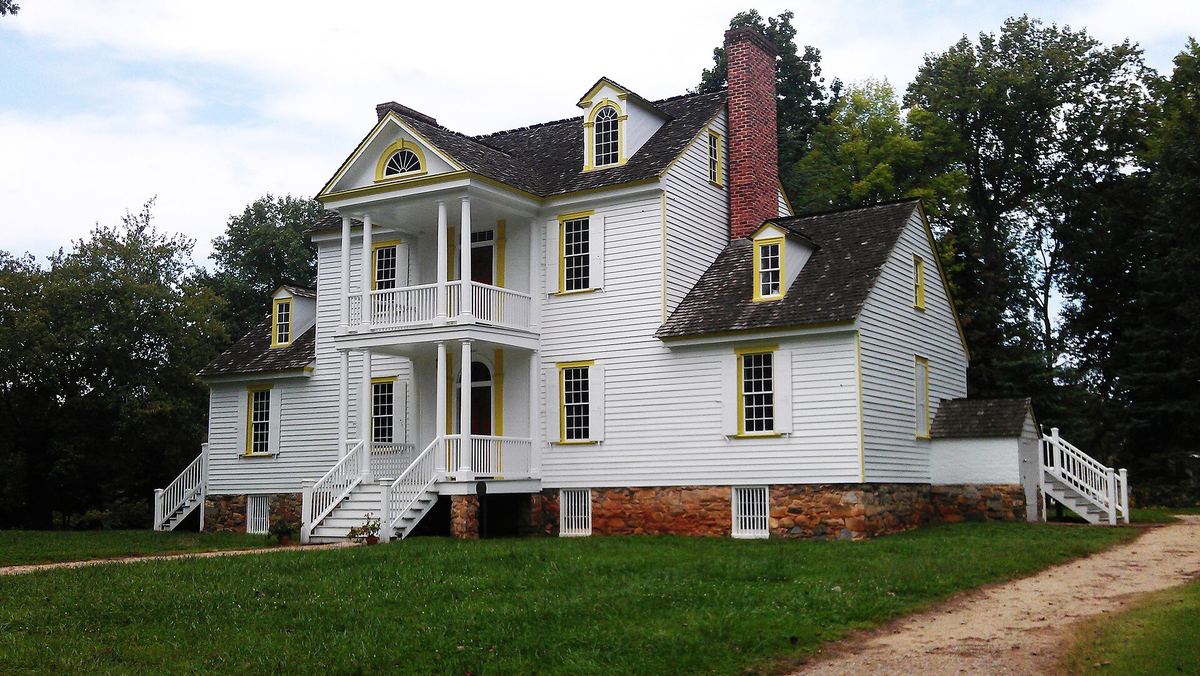

3427 North Tryon Street, Charlotte, NC 28206
Visiting
Choose the visit you want
The house is visited on a guided tour; a grounds ticket is for exploring outside. At our October 4, 2026 check, the museum listed regular house admission at $15, or $13 for seniors, students and military visitors or veterans. Children under five were free. House admission includes the grounds. Grounds-only admission was $5, payable at the Welcome Center. Advance house tickets are recommended and carry a service charge. Use the house and grounds admissions page to compare the options, then confirm your date and final price before paying.
Make time for the grounds
The operator's hours page lists house tours at 11:30am and 1:30pm, Wednesday to Friday and most Saturdays. Grounds hours are 10am–3pm on those days, with the gate closing at 3pm. Saturdays need a calendar check: general pages use slightly different wording, so do not assume every Saturday is available. Office hours are separate from visiting hours.
The current house-tour listing asks visitors to check in at the Welcome Center 15 minutes early. Allow an hour for the guided tour and extra time outside. For the 1:30pm tour, explore the grounds beforehand rather than leaving that part until closing time. The listing says tours run in rain or shine and tickets are non-refundable; read the terms for the session you select.
Stairs and uneven paths
The museum describes four floors reached by interior and exterior stairs, with gravel paths and grassy areas outside. These details matter if anyone in your group uses a mobility aid, has difficulty with steps or will be bringing a pushchair. Before booking, contact Rosedale on 704-335-0325 about the areas you hope to visit, step-free options and toilet access. Comfortable shoes are a sensible choice. A grounds visit should not be assumed to be a fully paved or step-free alternative. Access conditions published by the museum
Getting there
Use the North Tryon Street address above for the museum entrance. The museum advertises free on-site parking. If using public transport, plan the complete journey to that address in CATS-Pass, including the final walking or bus connection and your return trip. CATS provides bus, light-rail and streetcar journey planning; a nearby rail corridor alone does not tell you where to get off or how to reach the gate.
The house and its history
It outlasted the joke. Frew's financial difficulties brought the property into the ownership of his brother-in-law William Davidson while Frew was still alive. The National Register nomination records a conveyance to Davidson in 1819. Davidson later transferred the house to his son-in-law Dr David Thomas Caldwell, who had married Harriet Davidson. The Frew, Caldwell and Davidson families remained connected to the house for generations. That continuity explains the family objects and stories preserved here, but it is only one part of the site's history.
The last family residents, sisters Mary Louise Davidson and Alice Davidson Abel, sold the house and remaining land in 1986. Restoration followed, and Rosedale opened as a museum in 1993. The county landmark account describes both the surviving house and the later preservation effort. What visitors see today is a restored and interpreted place, rather than a house left untouched since the early nineteenth century.
Slavery and the African American Legacy Project
Rosedale was a plantation sustained by enslaved labour. Its history includes people who were bought, sold, separated from relatives and compelled to work for the property's owners. The museum's research on enslaved people names Nat, an enslaved blacksmith, carpenter and mason, and his wife Agnes. Its account records their separation when Nat was purchased by David Caldwell and their later reunion after Caldwell purchased Agnes and children. Nat's skill supported the plantation and work beyond its boundaries; the income from that labour benefited his enslaver.
The same research follows Cherry, an enslaved caregiver, and George Washington Caldwell Sr, Nat and Agnes's grandson, who worked as a blacksmith after emancipation. These are individual histories, not interchangeable examples of plantation work. The surviving evidence is uneven, and the museum distinguishes records, family recollections and interpretation. Its account explicitly leaves George's father's identity unconfirmed.
The African American Legacy Project connects historical research with exhibits, programming and descendant participation. An African American Legacy Committee was formed in 2021, building on earlier interpretation. This work is ongoing. Ask what current displays add to the house tour, and which sources support the story being told. A useful question to carry through the visit is whose work made the objects and surroundings possible, and whose own words survive in the record.
Descendants help shape how that history is remembered. The museum credits Kyle Smith, a descendant of Nat and Agnes, with designing the African American Memorial with relatives and fellow committee members. Its descendants page also introduces Harold Wiley Jr's family-history work and points to an oral-history interview. Reading these accounts before or after visiting connects the plantation's history with families whose lives continued well beyond it. Give that work time alongside the house's decorative details.
What to notice in the house and grounds
Start with the yellow exterior trim, then look inside for painted surfaces imitating more expensive finishes, carved fireplaces and surviving French wallpaper. These details help explain why Frew's house drew attention. The museum's guide to the site explains its interpretation of the house's plantation-era appearance. On the tour, ask which features survive from the early house and which reflect restoration. That distinction makes an architectural visit more interesting than treating every visible surface as equally old.
Outside, the blacksmith shop is a reconstruction near the location of the original. It helps explain skilled labour that supplied ironwork for Rosedale and customers beyond the property. Do not assume a live demonstration will be running during an ordinary visit; check a specific event description if that is important to you. The museum's site overview also points visitors towards the arboretum and garden areas.
The gardens have their own chronology. The grounds history traces twentieth-century formal planting as well as older trees and earlier uses of the land for food and timber. It reports arboretum accreditation in 2024. Walk with those different layers in mind: a formal garden, a surviving tree and a reconstructed working building need not belong to the same moment. Ask about the plants that catch your eye rather than assuming every planting dates from the house's construction.
Nearby
NoDa is a possible second stop if you want to continue the outing. Choose a particular café, gallery or other destination and check its opening hours and the route from Rosedale before leaving. Keep the museum's early closing time in mind when deciding the order of the day. For a more focused history trip, compare Rosedale with the Charlotte Museum of History and the 1774 Alexander Rock House, allowing separately for travel and each site's tour arrangements.
Visit information checked October 4, 2026. Confirm the selected tour and current admission with Historic Rosedale before travelling.
Places on this page, in detail
- Rosedale · Historic places
Read next
Bechtler Museum of Modern Art
Most museum collections are assembled. This one was lived with.
Carowinds: Plan Your Visit
Plan a Carowinds day around the rides your group wants, the ticket that covers your visit and the seasonal experiences operating on your date. Check individual ride requirements before buying, especially when children or access needs will shape the day.
Charlotte Museum of History and the 1774 Alexander Rock House
A visit here combines museum galleries, a Revolutionary-era house and a restored African American school. Plan around the Rock House tour if you want to go inside, then leave time to understand the people whose work made these places possible.
Charlotte on a rainy day
For an easy indoor start, choose a library visit or one museum. For swimming or a recreation-center activity, find the actual public session before traveling. A building marked as indoor on a map is not necessarily open for a drop-in visit.
Discovery Place Science
Choose hands-on museum time, a dome show or both, then budget for your group's ages and the parking deck. This guide separates the published starting prices from a real date-specific example.
Levine Center for the Arts: museums, free Wednesdays and shows
Three museums and Knight Theater make this part of South Tryon Street an easy place to combine art with a performance. Choose the galleries you most want to see, then check their hours and tickets separately: the Levine Center for the Arts is a cultural campus with several institutions.